Irrigation water is the main
entry route for pathogens
Water from ponds, shallow wells, open canals or recirculation systems carries pathogens that reach the crop directly through irrigation. Without proper treatment, you are irrigating disease along with the water.
Pathogens that reach the crop through irrigation water
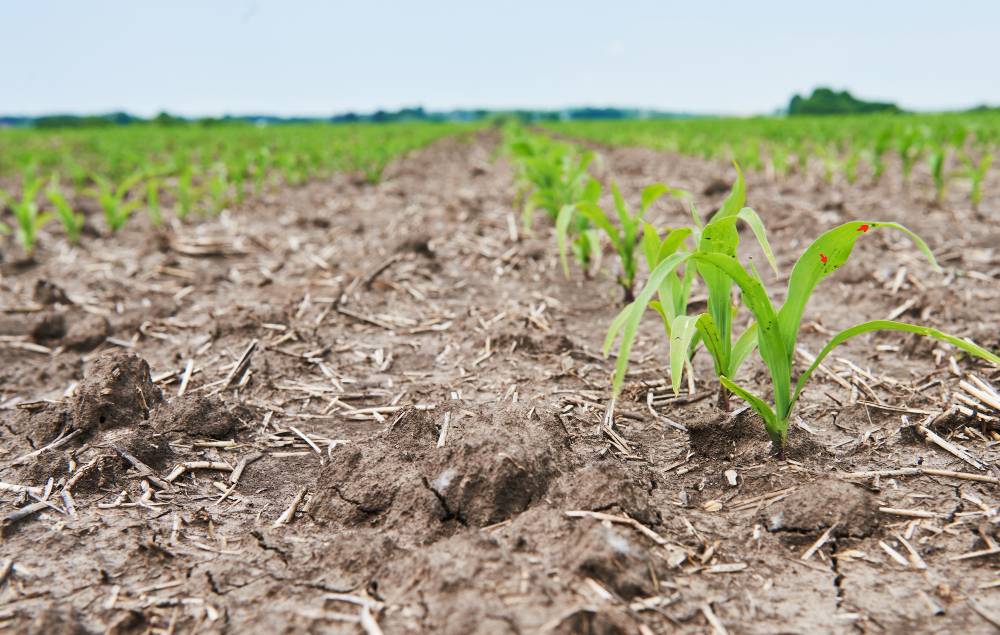
Fungi: Fusarium and Pythium
Their zoospores move actively in irrigation water and quickly colonise plant roots. They cause root rot, wilting and seedling death within a few days in humid conditions.
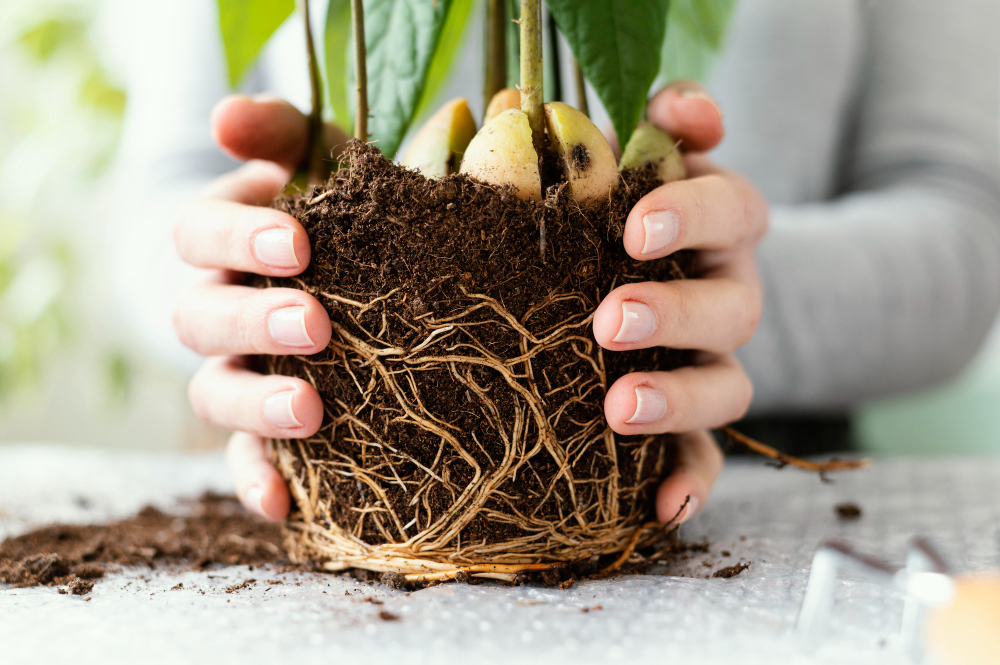
Infective juvenile nematodes
J2 juveniles of Meloidogyne and other nematodes disperse in irrigation water and attack the roots, forming galls that reduce yield by up to 80%.
Transmissible bacteria and viruses
Ralstonia solanacearum, Erwinia spp., E. coli and mosaic viruses are efficiently transmitted by water, contaminating the crop from the very first irrigation.
Biofilm in pipes and drippers
Biofilm build-up clogs drippers, reduces irrigation efficiency and becomes a permanent source of contamination. Conventional chlorine does not remove it.
60% of the irrigation water analysed
contains active pathogens
Studies carried out in the Mediterranean basin detect Pythium, Phytophthora and Fusarium in more than 60% of the irrigation water samples analysed on horticultural farms.

Fungi and Oomycetes
Pythium spp., Phytophthora spp., Fusarium oxysporum. Their zoospores are mobile in water. A single contamination can colonise an entire farm.
99.9% elimination at 0.3 ppm ClO₂
Nematodes and Protozoa
Infective juveniles of Meloidogyne and resistant forms of protozoa survive and are carried in untreated irrigation water.
Inactivation with shock treatment
Bacteria and Viruses
Ralstonia solanacearum, Erwinia spp., viruses transmitted through soil and water. The high purity of ClO₂ (99.9%) ensures their elimination without generating toxic by-products.
Broad-spectrum actionDiscover how CHLOREX works
Learn about the mode of action of chlorine dioxide and why it is more effective than conventional chlorine for your irrigation water.